

Key Focus: Integrated geotechnical and structural monitoring of three tunnel critical assets – the TBM access shaft, the underwater access shaft plugs and the 12 km hydraulic tunnel – using Sisgeo vibrating wire instrumentation and automated OMNIAlog data acquisition to verify design assumptions, ensure construction safety and provide early warning of any anomalous behaviour.
CHALLENGE
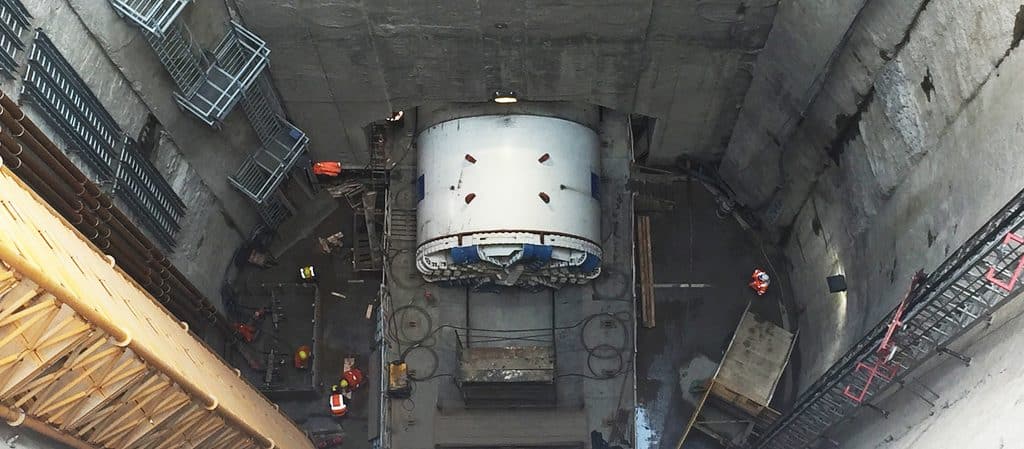
As part of the environmental rehabilitation of the Matanza-Riachuelo River Basin, the Riachuelo L3 project required the construction of an approximately 12 km hydraulic tunnel beneath the Río de la Plata using a Tunnel Boring Machine (TBM).
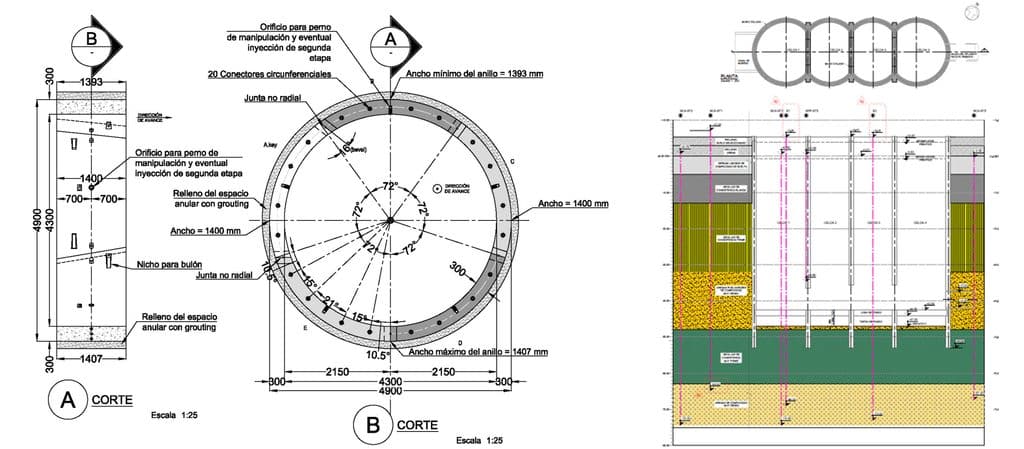
The project required continuous monitoring of several critical structures, including the TBM Access Shaft, the TBM Access Shaft plugs, and the hydraulic tunnel lining itself. The monitoring programme was designed to verify design assumptions, monitor structural and geotechnical behaviour during construction, and provide early warning of any movement, deformation, stress, or pore pressure changes that could compromise safety or performance.
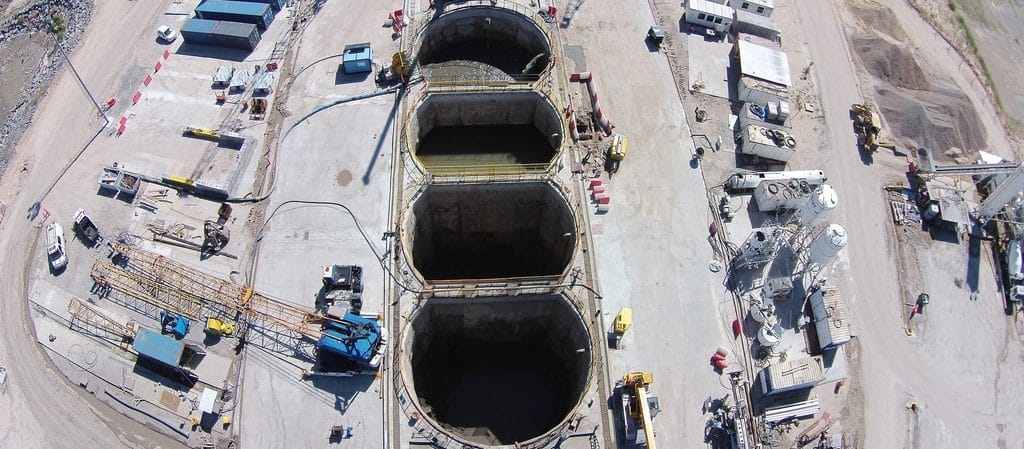
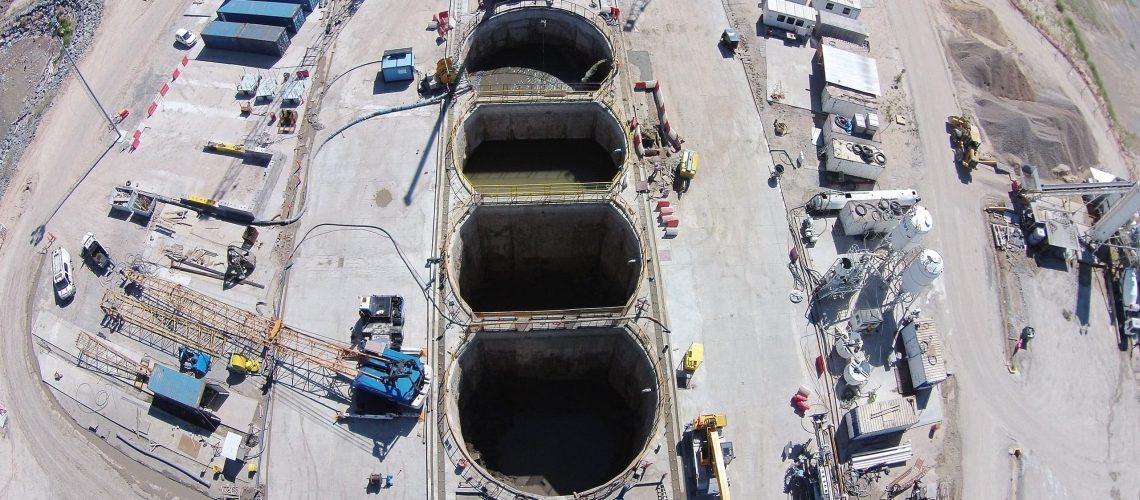
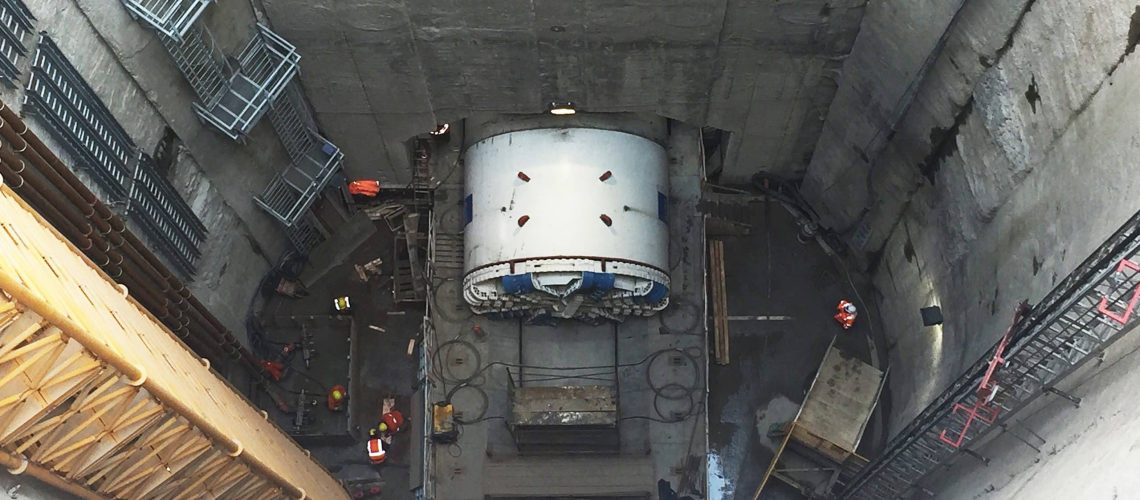
The access shaft served a dual role: during construction it acted as the launch shaft for the TBM, and once operational it became a key hydraulic structure conveying treated effluent towards the diffuser outfall. The site presented significant engineering challenges, including deep excavations, diaphragm wall stability requirements, groundwater pressure management, underwater construction activities, and instrumentation installation within active construction environments.
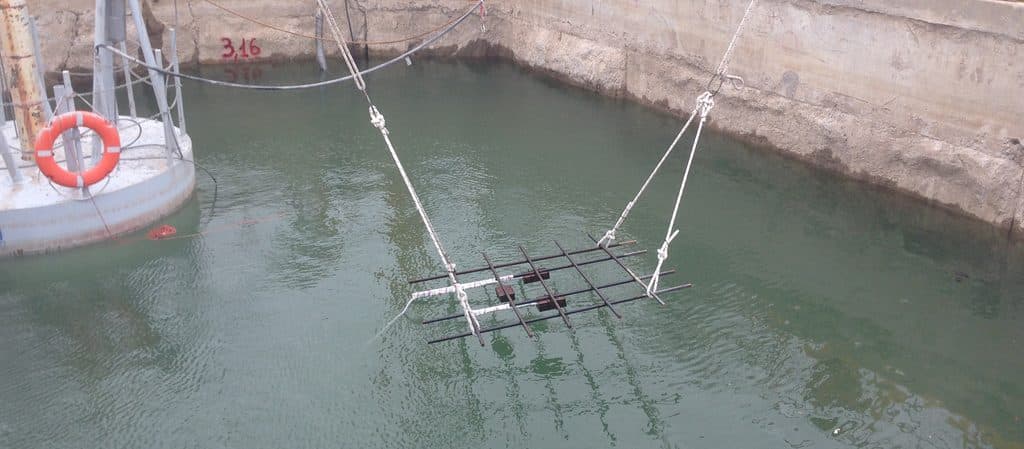
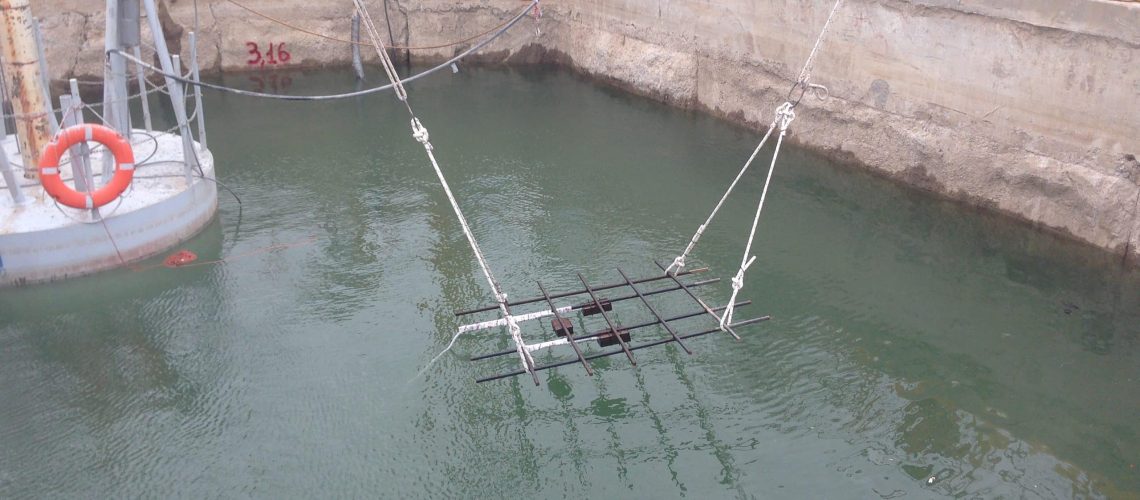
Particular attention was required during the construction of the three metre thick underwater access shaft plugs, where uplift pressures and difficult installation conditions created additional monitoring challenges.
SOLUTION
TBM Access Shaft Monitoring
The monitoring system included:
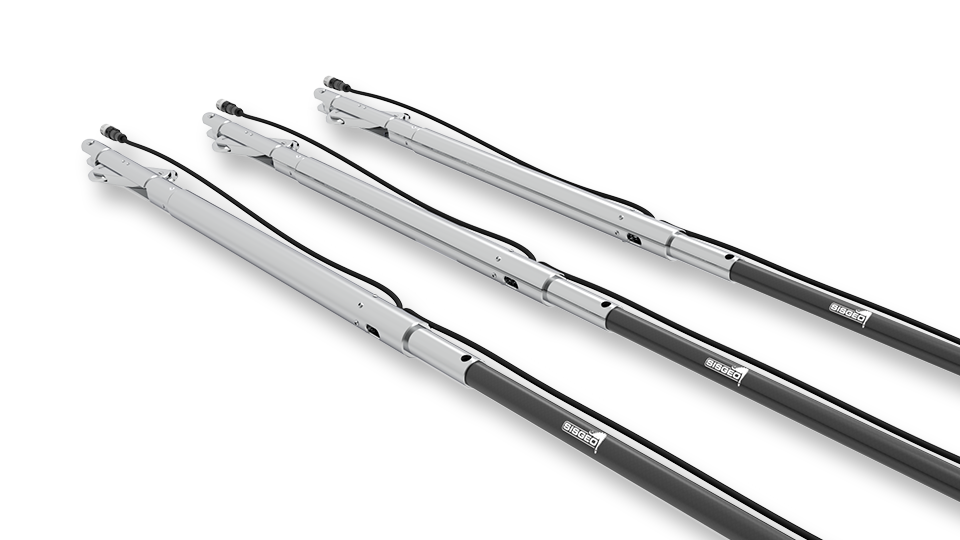
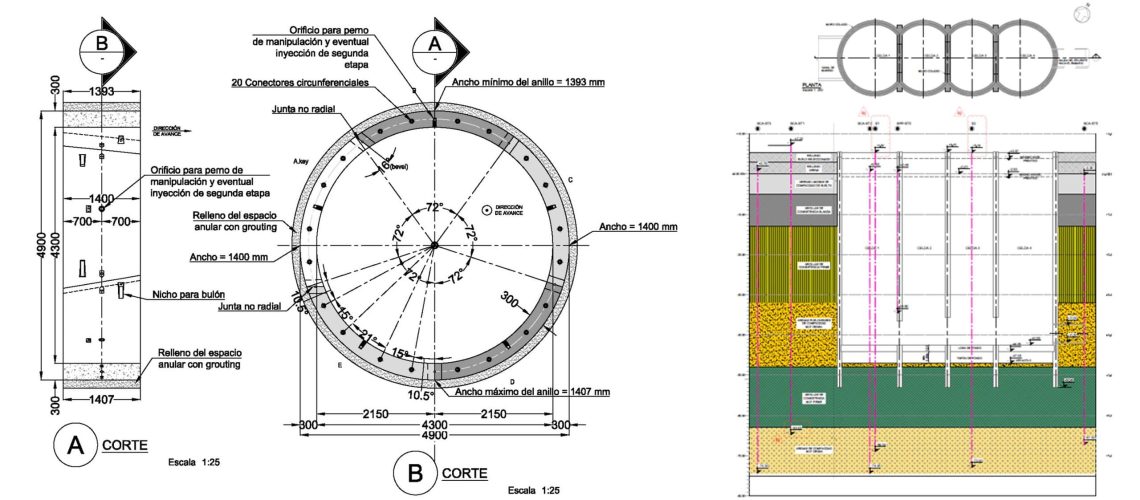
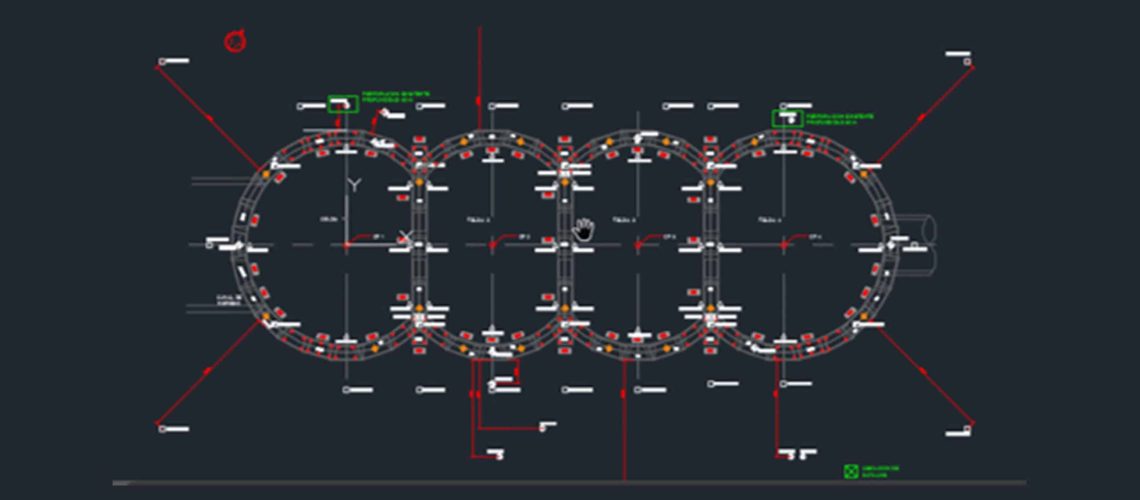
- Inclinometers each 55 m deep, installed within the diaphragm walls to detect lateral movements and verify wall stability
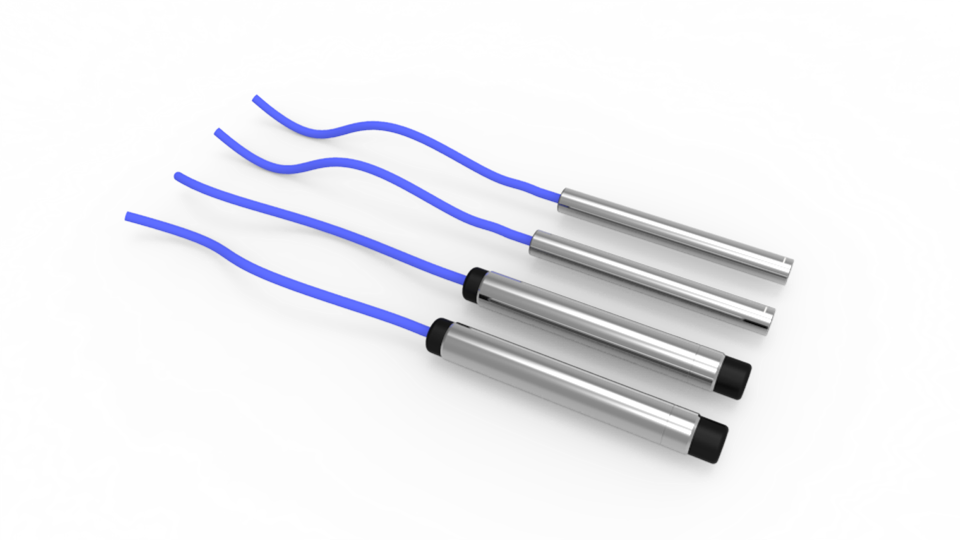
- Vibrating wire piezometers installed outside the shaft walls to monitor pore water pressures
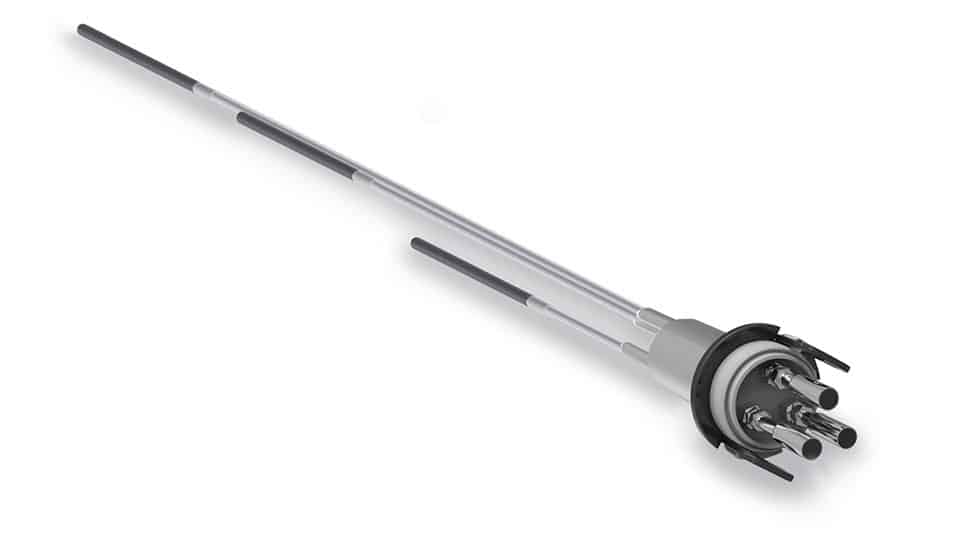
- Four-point multi-point borehole extensometers (MPBX) each 55 m deep, to measure settlement and deformation
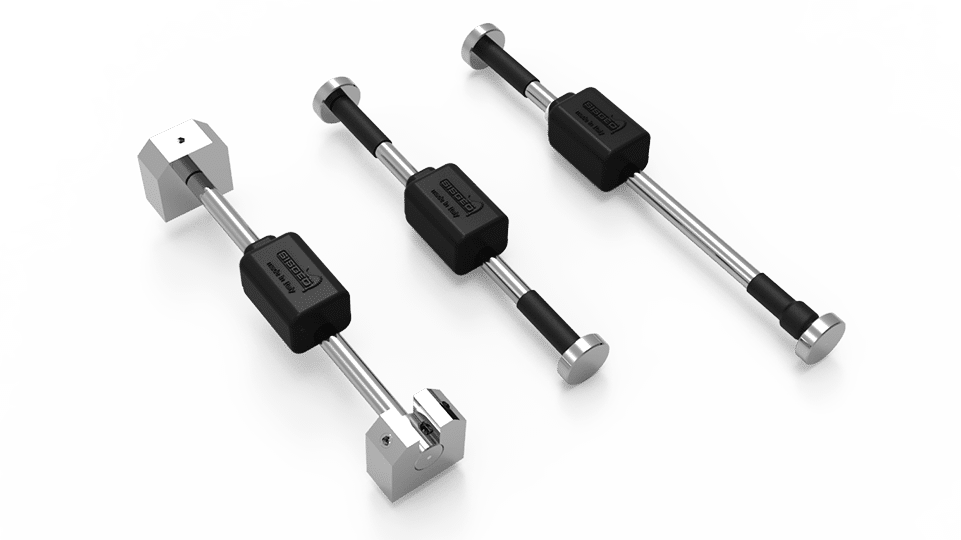
- Vibrating wire strain gauges embedded in diaphragm walls to monitor structural strain behaviour
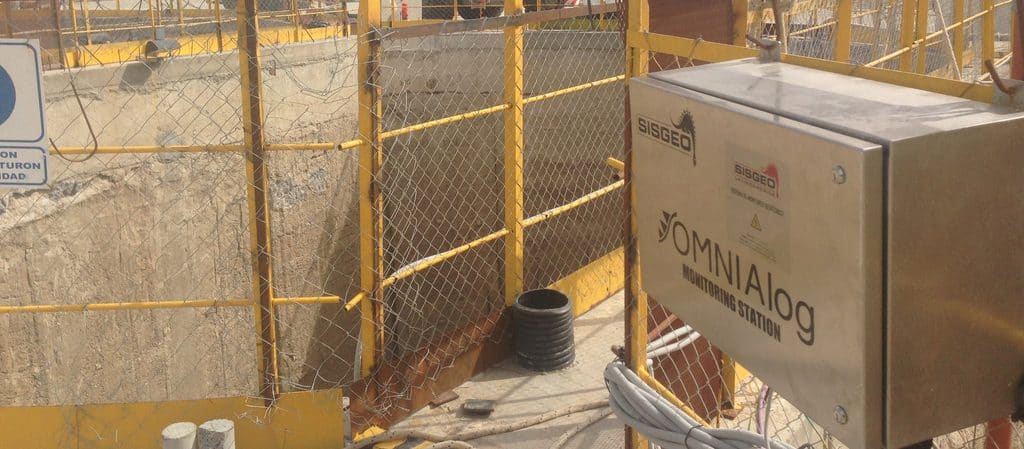
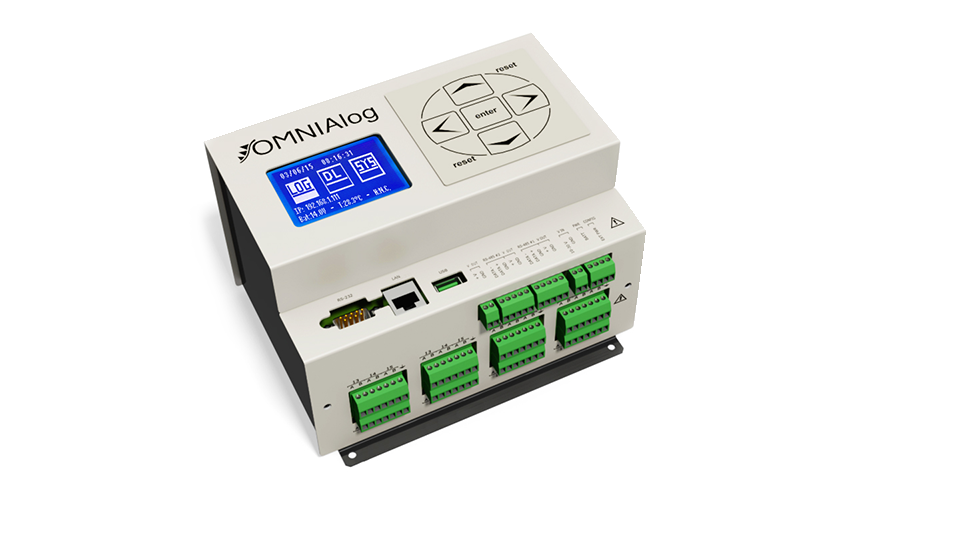
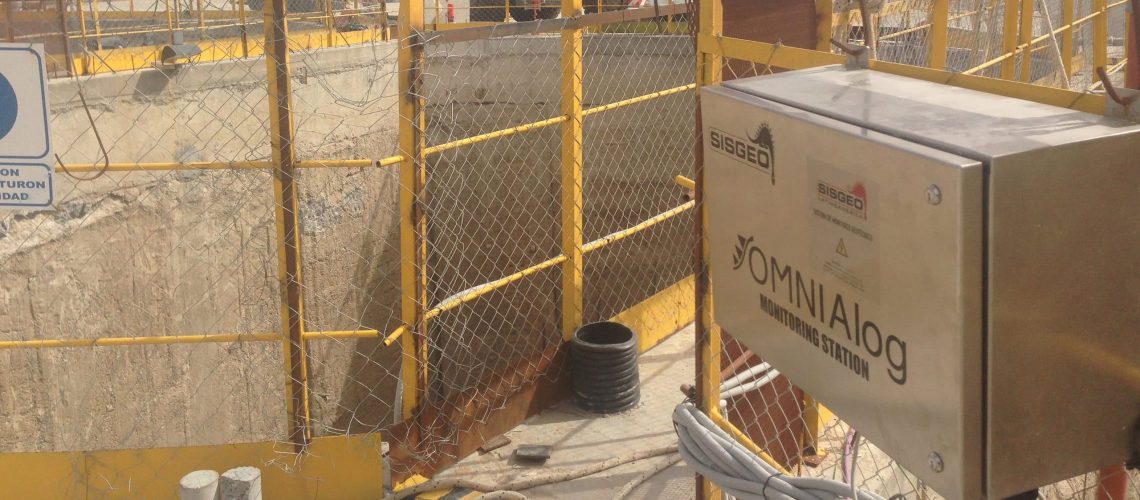
- Automatic data collection through OMNIAlog datalogger system.
TBM Access Shaft Plug Monitoring
For the underwater foundation plugs, the system included:
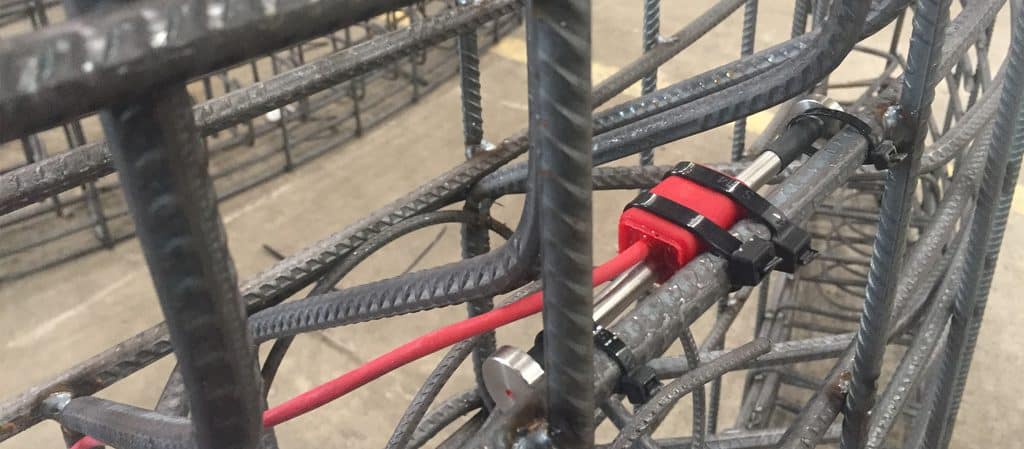
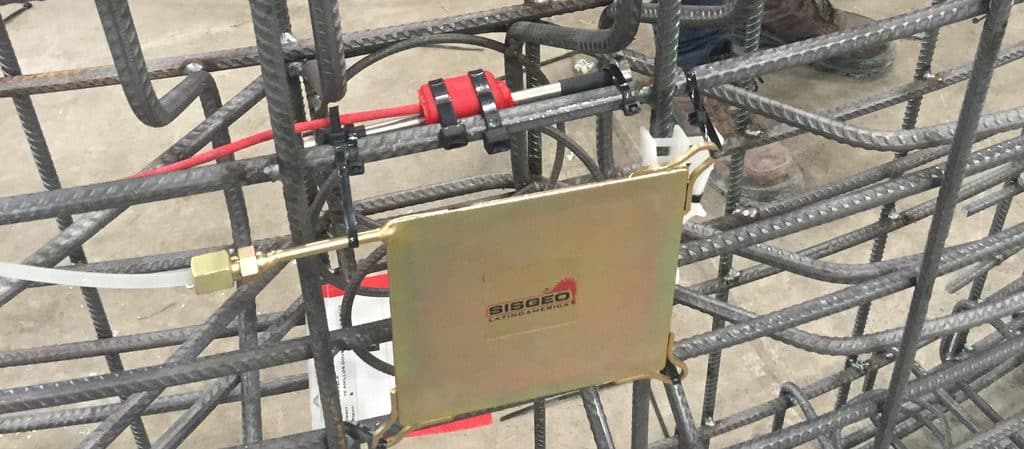
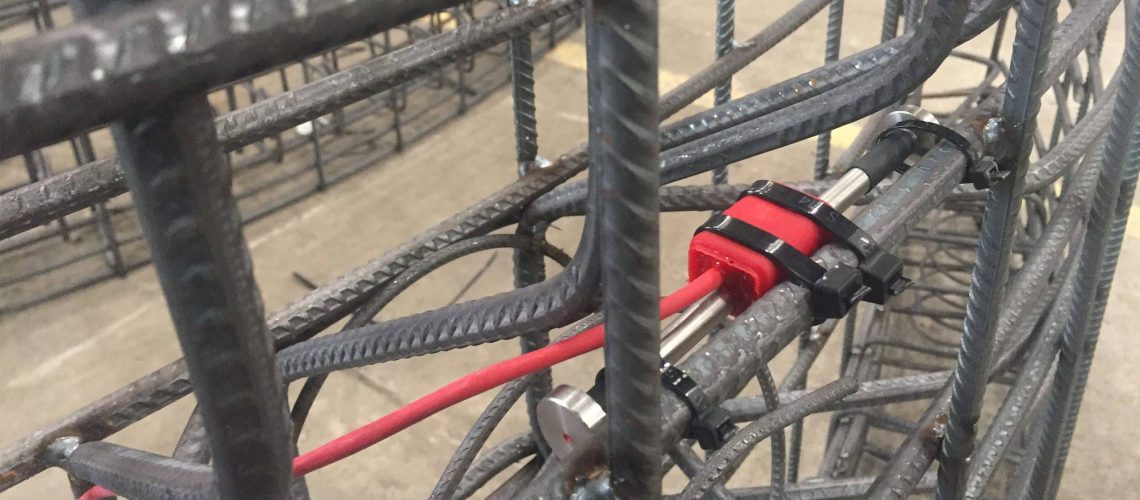
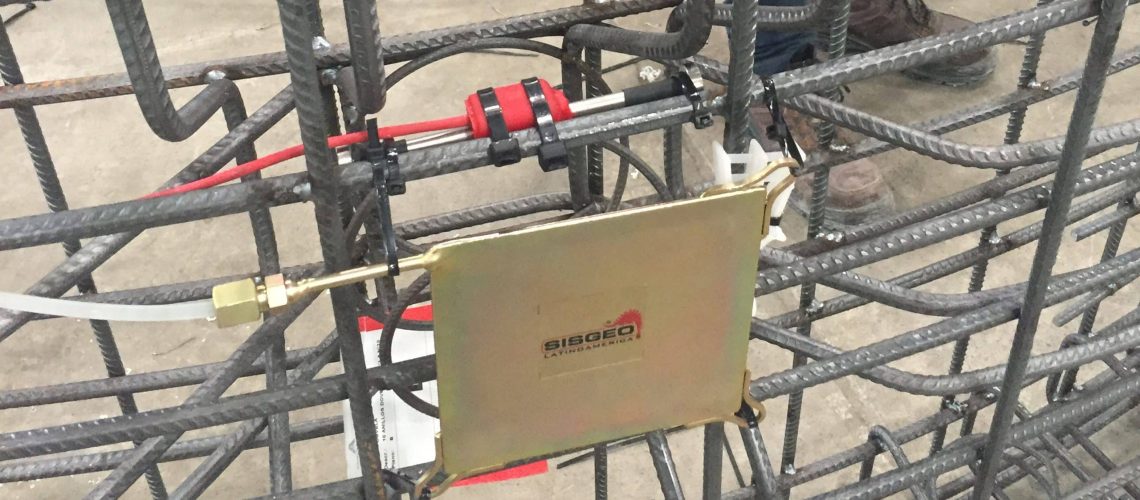
- 3 vibrating wire strain gauges with integrated thermistors installed in each reinforcement cage
- Continuous monitoring of structural strain and hydration temperature peaks during concrete curing
- Connection to the same automated data acquisition network used for the access shaft instrumentation.
TBM Hydraulic Tunnel Monitoring
The tunnel monitoring programme included:
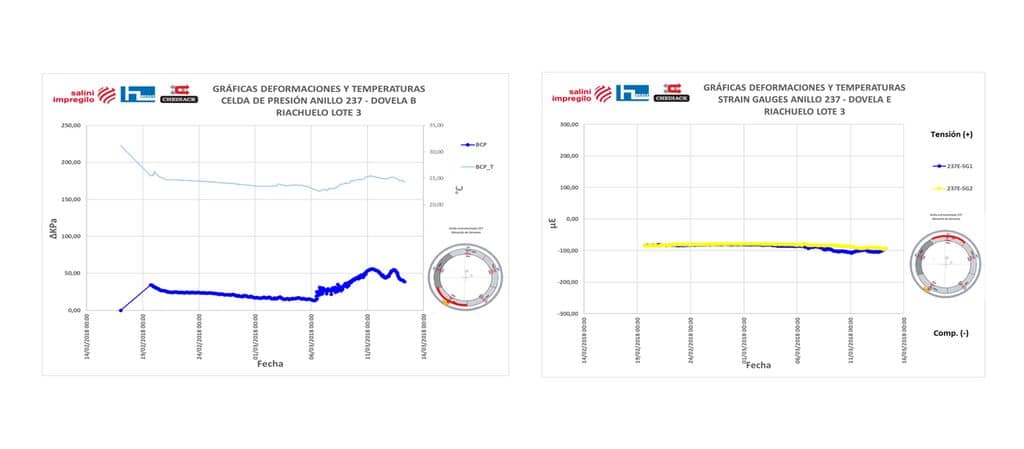
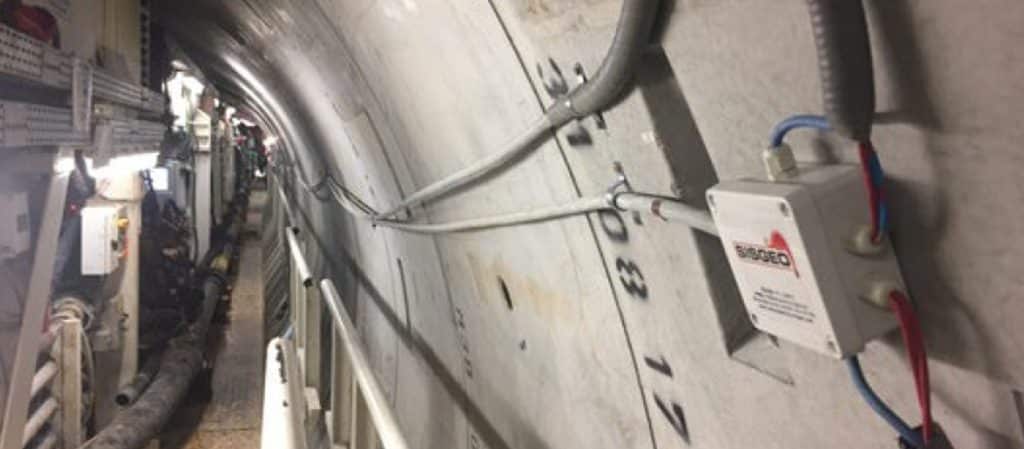
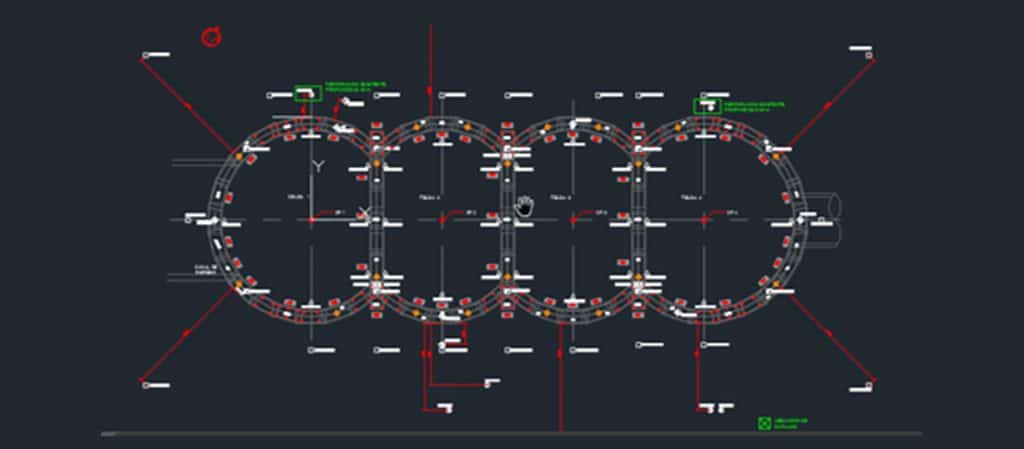
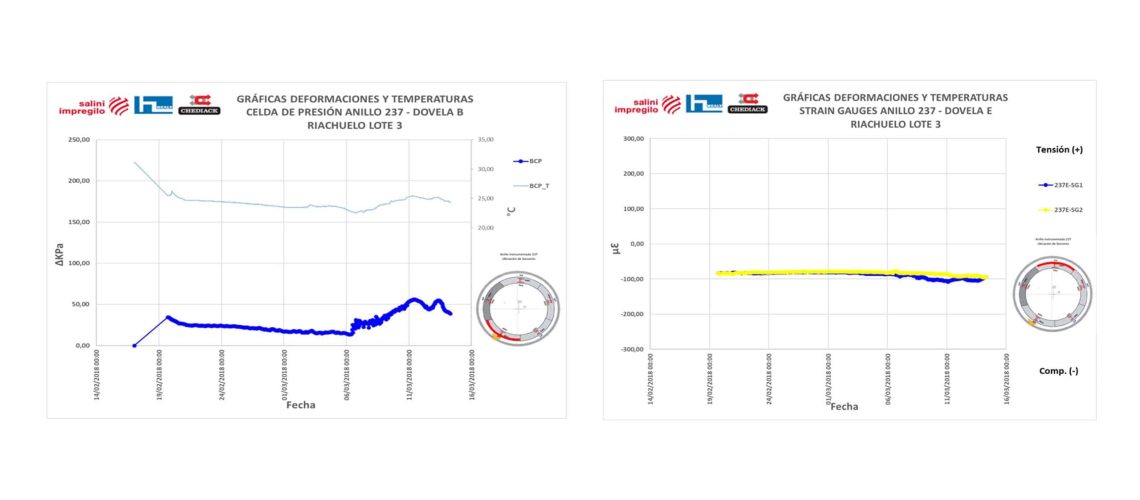
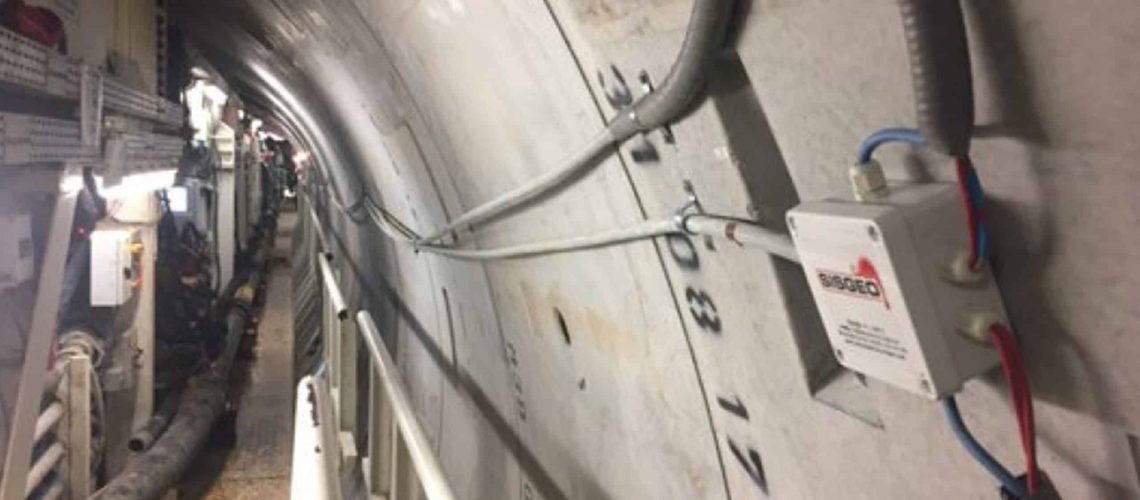
- Vibrating wire strain gauges embedded in tunnel segments to measure strain and stress in the lining
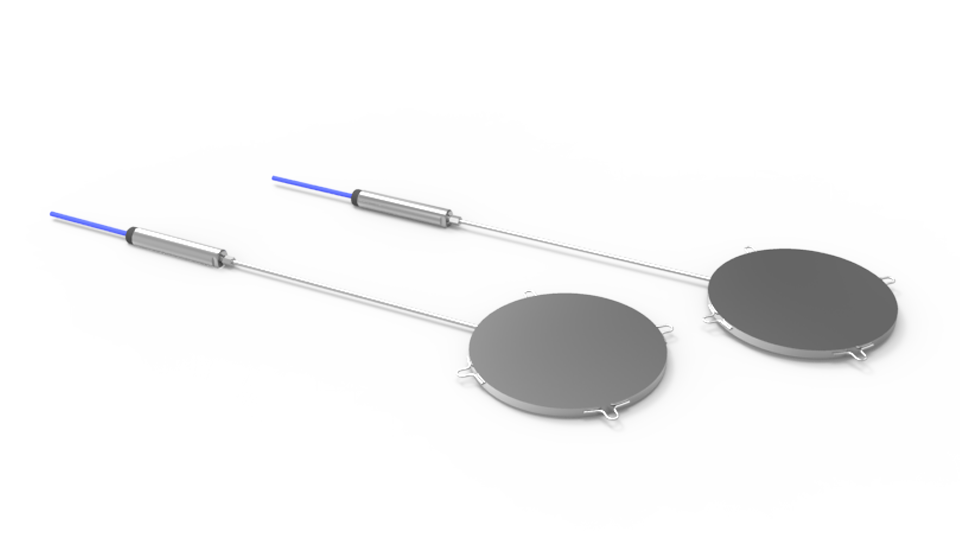
- Vibrating wire pressure cells positioned at the crown and sidewall of instrumented rings to monitor loads acting on the tunnel lining
- Automated hourly data collection throughout construction
- Relocatable data acquisition equipment that could move progressively with TBM advancement while maintaining monitoring continuity.
Why Sisgeo was chosen
The project required highly reliable instrumentation capable of operating in demanding underground, underwater, and long-term construction environments. Vibrating wire technology, MPBX extensometers, inclinometers, piezometers, pressure cells, and OMNIAlog dataloggers provided a complete integrated monitoring ecosystem capable of delivering continuous, high-quality data to support engineering decision-making and risk management.
Installation and Data Acquisition
The instrumentation was installed during various phases of construction, including diaphragm wall construction, reinforcement cage assembly, underwater plug construction, and tunnel segment production. Automatic data acquisition systems were configured to record measurements every hour, delivering near real-time information for engineering assessment and enabling rapid response if predefined thresholds were exceeded.
OUTCOME
The monitoring programme successfully provided continuous insight into the structural and geotechnical performance of the TBM access shaft, access shaft plugs, and hydraulic tunnel throughout construction and subsequent operation.
Key outcomes included:
- Verification that measured pore pressure, strain, deformation, and settlement values remained within the limits anticipated by the project designers.
- Confirmation of design assumptions through comparison of theoretical models and field measurements.
- Early identification capabilities for potential structural or geotechnical issues through automated monitoring and predefined alarm thresholds.
- Reliable monitoring of tunnel lining behaviour using embedded strain gauges and pressure cells.
- Improved understanding of the interaction between tunnel structures and surrounding ground conditions.
The project also demonstrated the value of instrumentation redundancy. During access shaft plug construction, one of the reinforcement cages shifted position, exposing one sensor after dewatering. Because three sensors had been installed in each cage, sufficient monitoring coverage was retained, validating the importance of redundancy in critical underground monitoring applications.
Benefits Delivered
- Enhanced construction safety and risk management.
- Continuous verification of structural performance.
- Validation and refinement of geotechnical design assumptions.
- Reliable long-term monitoring of critical wastewater infrastructure.
- Automated data collection enabling large volumes of high-quality monitoring data for analysis and decision-making.
- Increased confidence for designers, contractors, and project stakeholders throughout construction and operation.
What made this project unique
The Riachuelo L3 monitoring programme combined geotechnical and structural instrumentation across three different critical asset types: a deep TBM launch shaft, underwater foundation plugs, and a 12 km hydraulic tunnel. The project required instrumentation installation in extremely challenging conditions, including embedment of sensors in submerged concrete piles and tunnel lining segments installed by a TBM. The integration of automated monitoring with specialised Sisgeo instrumentation provided engineers with the continuous data needed to verify safety, monitor performance, and support one of Argentina’s most significant environmental infrastructure projects.
You can read the complete technical article here: ARTICLE