


Celle di pressione totale per terreno
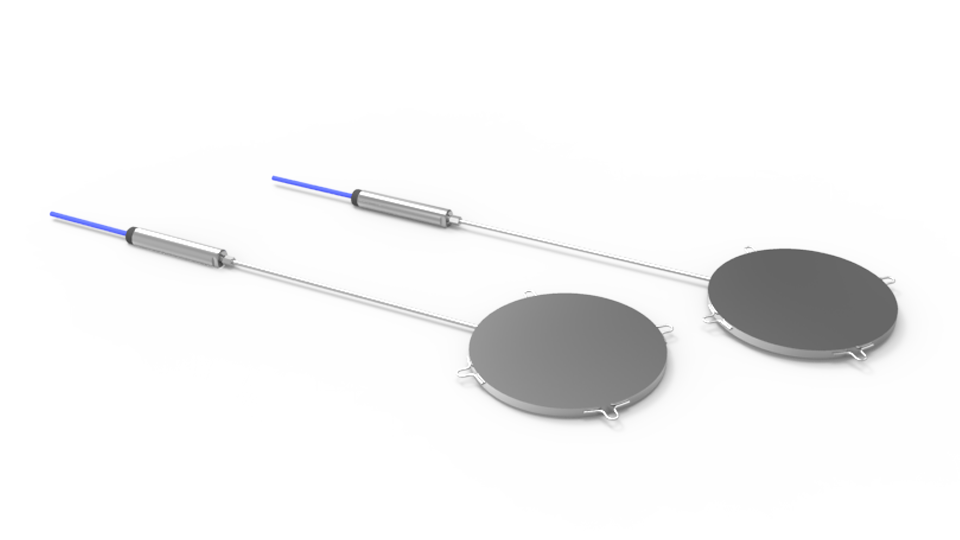
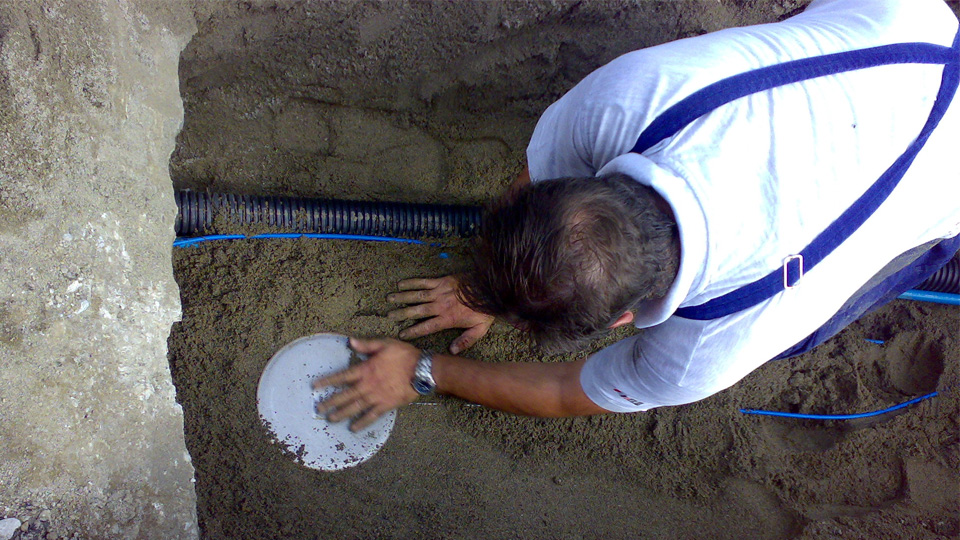
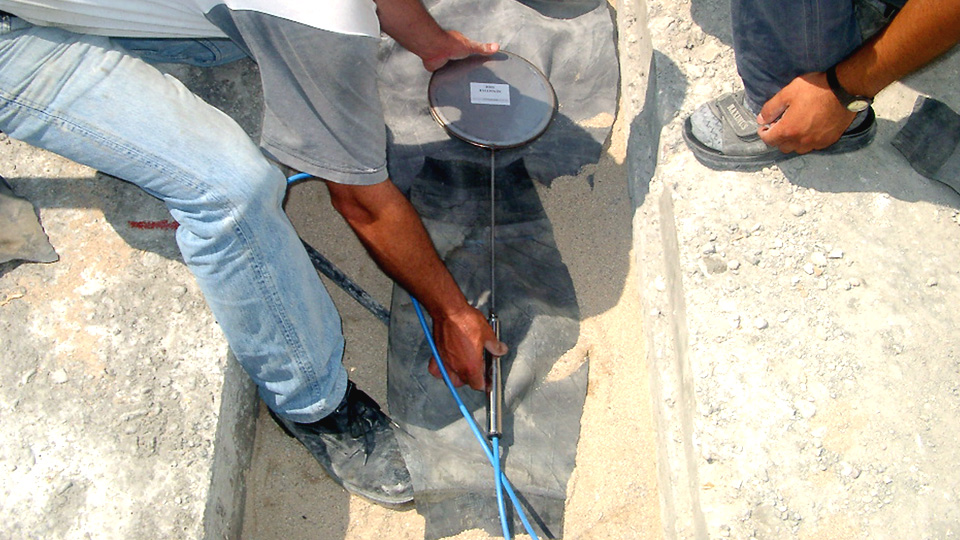
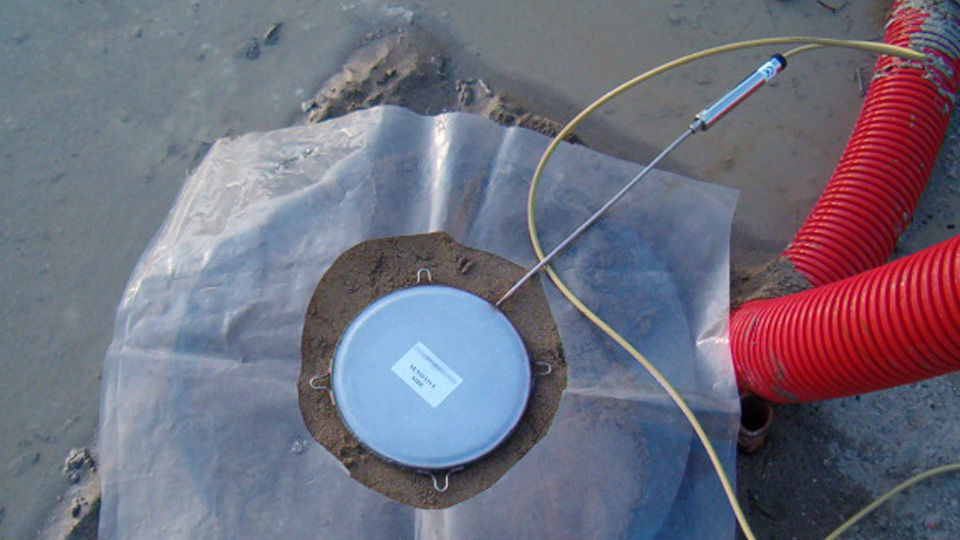
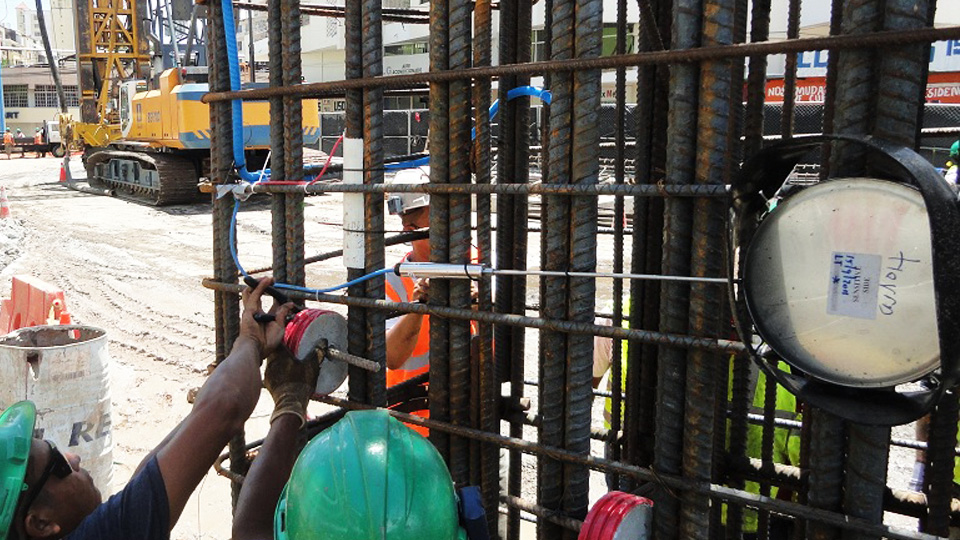
LE CELLE DI PRESSIONE TOTALE PER TERRENI VENGONO UTILIZZATE PER CONTROLLARE LE PRESSIONI ALL’INTERNO DI RILEVATI O DIGHE IN TERRA E AL DI SOTTO DI FONDAZIONI, SERBATOI O PILE DI PONTI.
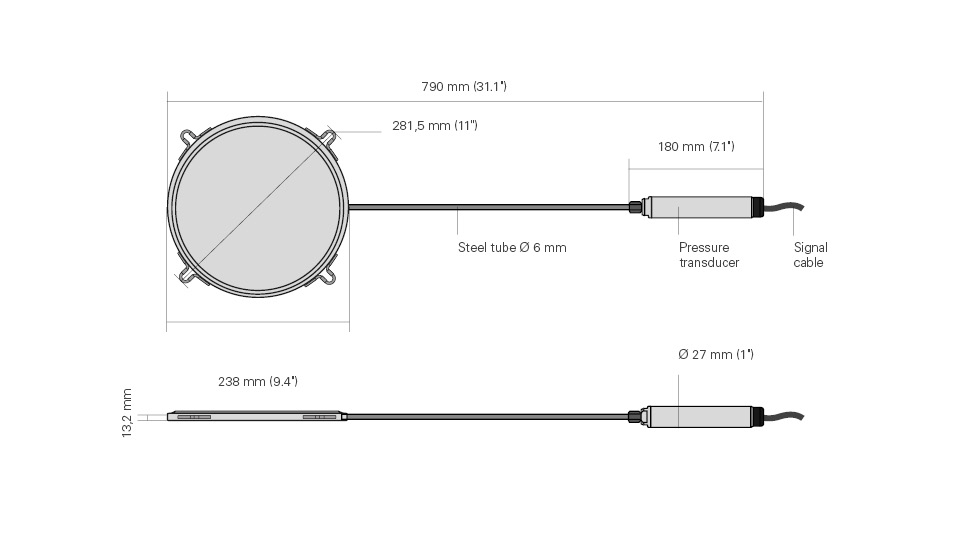
Le celle di pressione Sisgeo sono costituite da un piatto circolare con un solo lato sensibile riempito di olio disareato e connesso ad un trasduttore di pressione elettrico attraverso un tubetto di acciaio.
Il modello con sensore a corda vibrante incorpora anche un termistore per il controllo delle temperature. Le celle di pressione vengono installate sulla superficie di contatto tra il suolo e la struttura o disposte nel terreno con diverse orientazioni del piatto sensore. Un cavo elettrico connette il trasduttore di pressione ad una idonea unità di lettura.
Il trasduttore a corda vibrante è essenzialmente composto da un filo tensionato alle due estremità, libero di vibrare alla sua frequenza naturale. La frequenza di vibrazione varia secondo la tensione del filo, cioè a seconda dei piccoli movimenti relativi tra le due estremità.
I trasduttori a corda vibrante hanno come segnale in uscita la frequenza di oscillazione delle corda, perciò è necessario utilizzare centraline e datalogger in grado di sollecitare la corda e leggerne la frequenza di oscillazione.
I trasduttori a corda vibrante SISGEO utilizzano il metodo “pluck and read” non quello “auto risonante”. Questo significa che quando la centralina/datalogger sollecita il filo, si crea un’attrazione magnetica e il filo inizia a vibrare. La vibrazione causa una tensione alternata della stessa frequenza di quella naturale del filo. Il segnale di tensione è trasmesso e letto dalla centralina/datalogger.
I trasduttori a corda vibrante sono storicamente riconosciuti come adatti ad applicazioni a lungo termine perché dotati di grande stabilità nel tempo.
Centraline di misura compatibili



Domande
Su Questo
Prodotto?
Su Questo
Prodotto?
Scheda tecnica
Manuale
Elaborazione dati
Faq
Domande
Su Questo
Prodotto?
Su Questo
Prodotto?
Scheda tecnica
Manuale
Elaborazione dati
Faq