Explore Eddyfi Technologies Product Lines ▼

Retaining walls

Industry-leading instrumentation to detect retaining wall movement and protect the infrastructure behind it
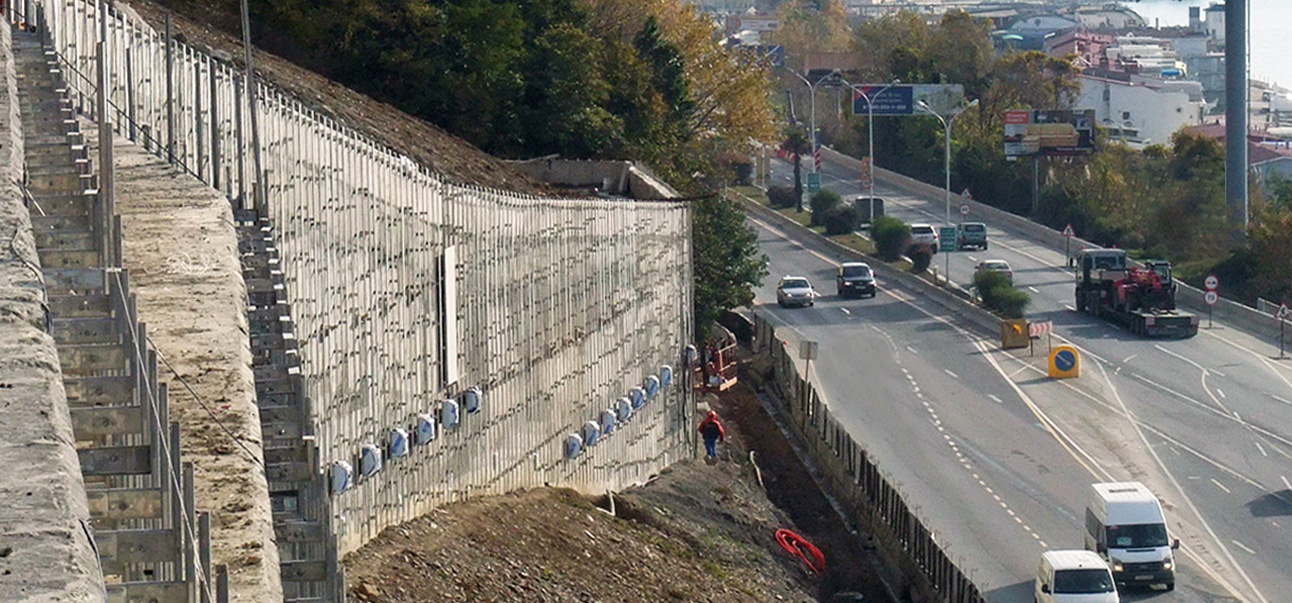
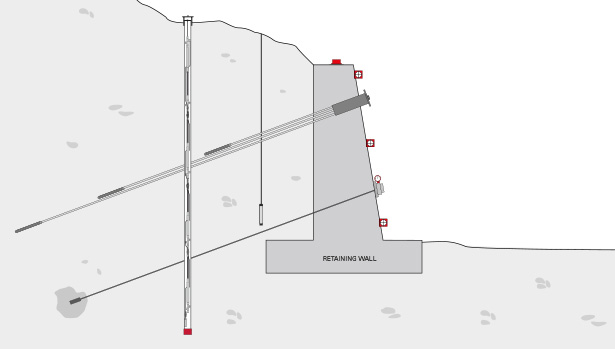
It is very important to monitor the performance of a retaining wall to protect infrastructure such as roads or railways downstream of it. Geotechnical monitoring of retaining walls usually includes piezometers and IPI in-place inclinometers, while structural monitoring of retaining walls includes tiltmeters, anchor load cells and crack gauges.

A retaining wall holds back soil, rock or water to protect roads, railways, buildings and slopes downstream of it. When a wall begins to move, tilt or overload its anchors, the consequences reach far beyond the structure itself. That is why continuous monitoring is critical. 

Sisgeo provides specialist geotechnical and structural monitoring solutions for retaining walls. Our instruments help engineers measure wall displacement, anchor loads, tilt, ground movement and pore water pressure throughout the structure’s service life. 

By combining high-precision instrumentation with automated data acquisition, Sisgeo helps project teams verify that a wall is performing as designed, detect early signs of instability, and act before minor movement becomes structural failure. 

What is retaining wall monitoring?

Retaining wall monitoring measures the movement, load and stability of a wall, together with conditions in the surrounding ground and groundwater. It helps engineers confirm that the structure is performing as intended and identify early signs of movement or instability. 

Retaining walls are commonly used to stabilise slopes, control ground movement and reduce risk on landslide-prone sites. Their behaviour can change gradually over time or more quickly following heavy rainfall, nearby excavation or rising groundwater levels. 

Monitoring may combine geotechnical measurements, such as subsurface movement, pore-water pressure and settlement, with structural measurements including wall tilt, anchor load, strain and crack movement. Together, these measurements provide a clearer understanding of how the wall and surrounding ground are behaving, helping to inform maintenance, investigation and remedial work. 

Related
products

Why is retaining wall monitoring important?

A retaining wall rarely fails without warning. Movement, load redistribution and rising water pressure usually build over time. But only if someone is measuring them will the warning be seen in time to act. 

Reliable retaining wall monitoring systems allow engineers to understand how a wall and its surrounding ground are behaving, confirm that anchors and drainage are performing and identify adverse trends before they threaten the assets behind the wall. 

A well-designed retaining wall monitoring system helps engineers: 

  • Measure wall displacement, tilt and rotation.
  • Verify anchor and tie-back loads against design values.
  • Track subsurface ground movement behind and below the wall.
  • Monitor pore water pressure and drainage performance.
  • Detect and measure cracking in the wall structure.
  • Identify adverse trends early and target maintenance where it is needed.


For walls protecting live transport routes or occupied structures, high-precision monitoring data is essential for managing risk, prioritising interventions and reducing unnecessary site visits. 

Key instruments for retaining wall monitoring

Retaining walls call for a combination of products, each targeting a specific failure mechanism. Sisgeo instruments are built to deliver accurate, stable readings over long service lives in demanding outdoor conditions. 

IPI in-place inclinometers 

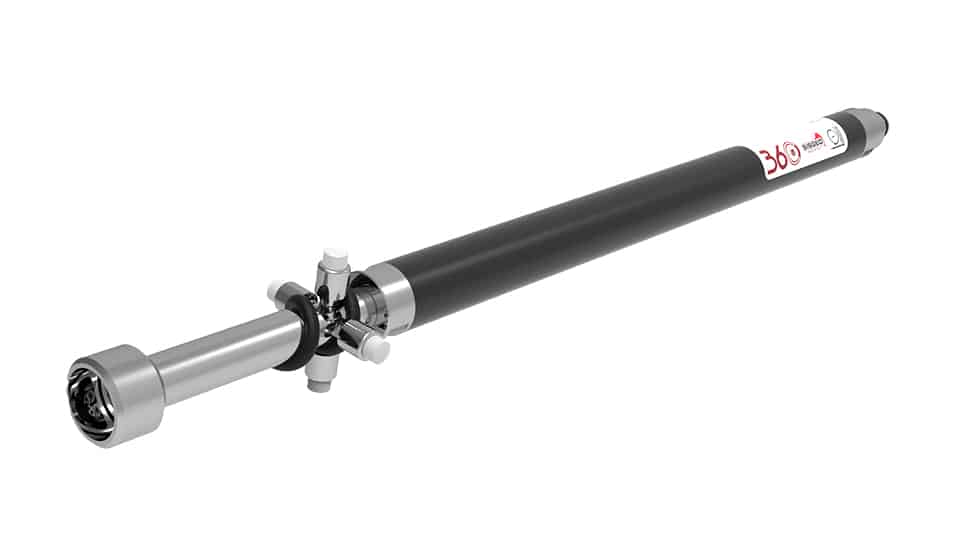
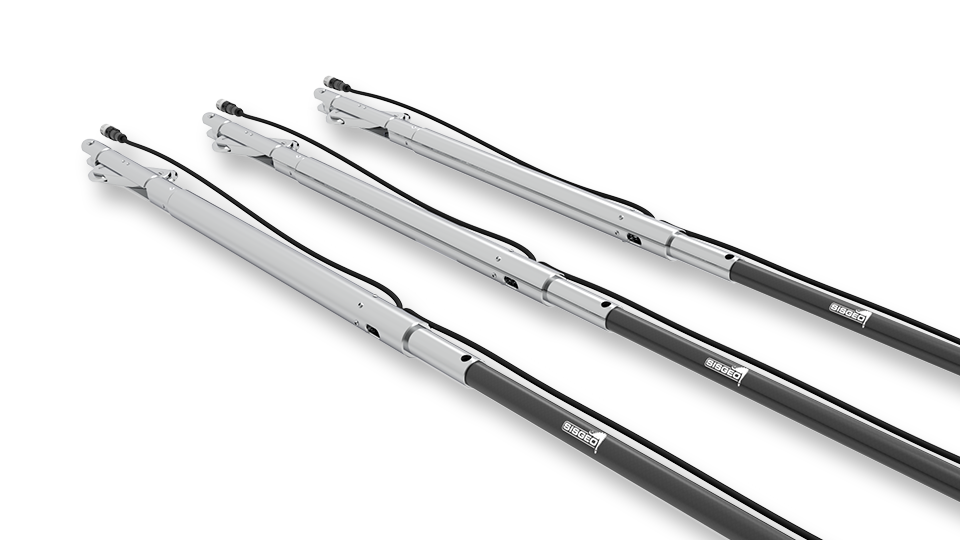
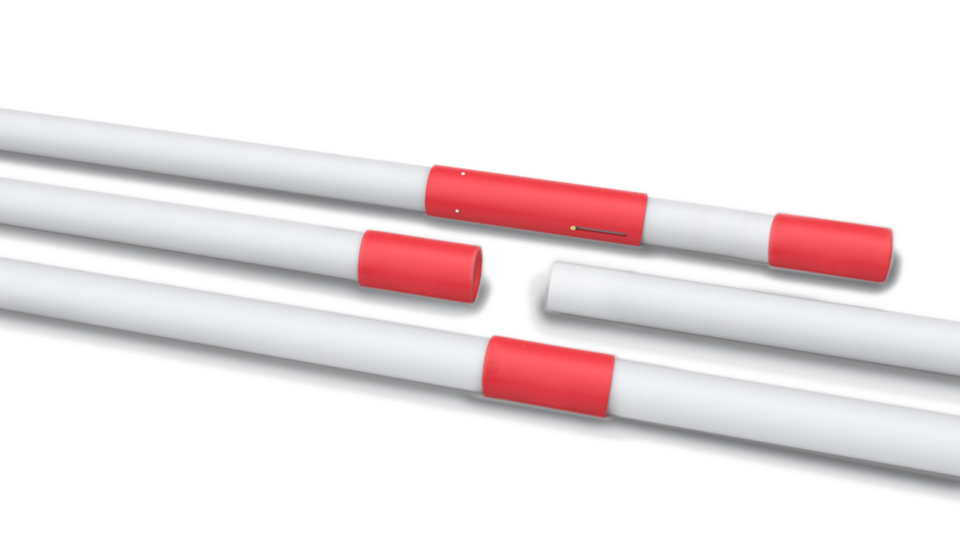
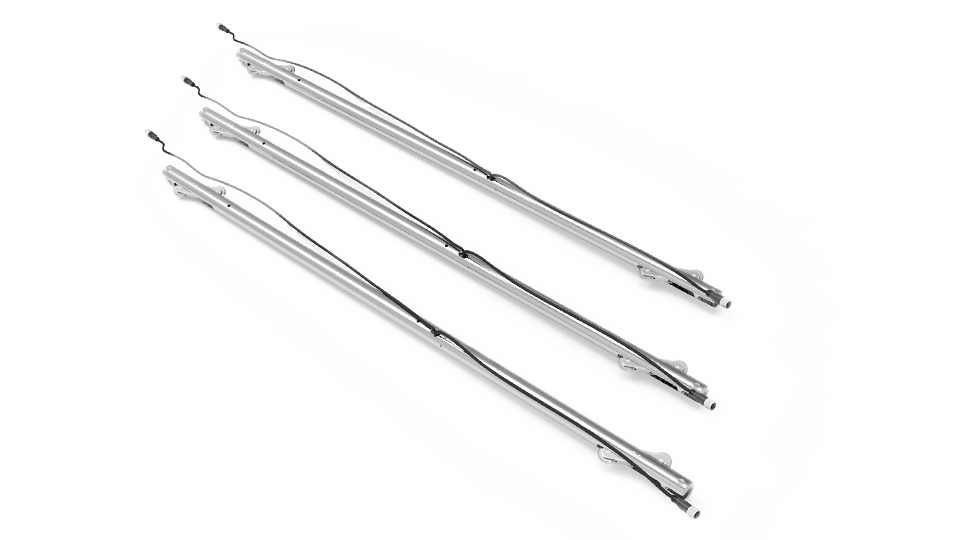
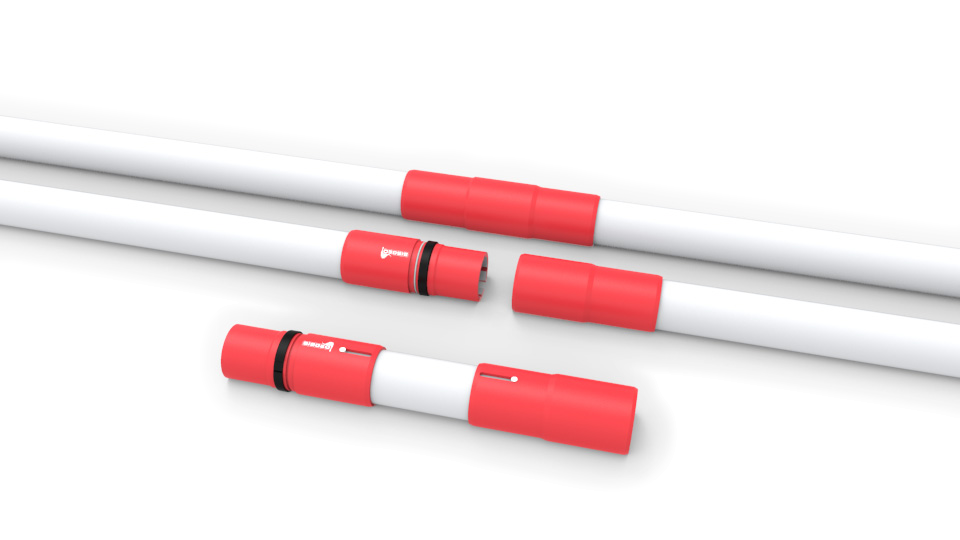
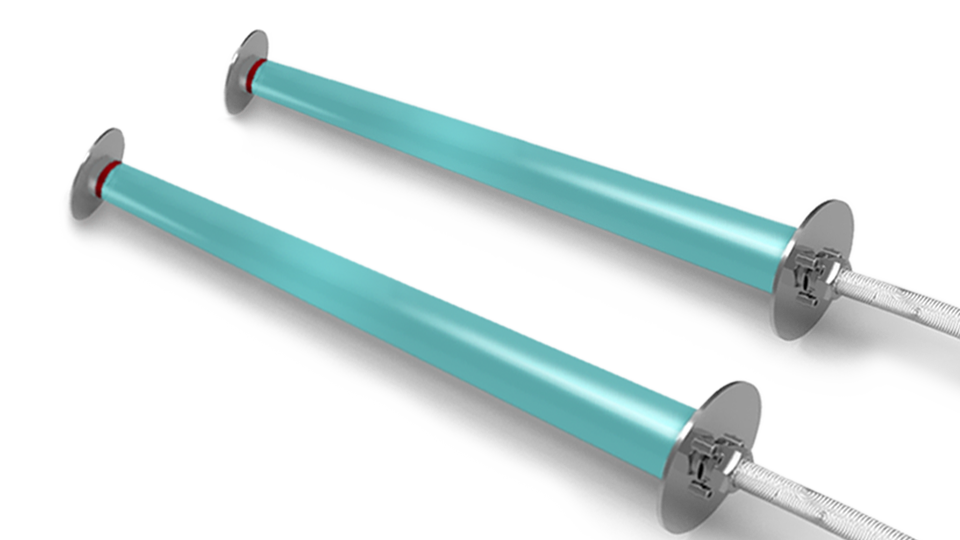
Installed in inclinometer casing behind or through the wall, IPI chains measure horizontal ground and wall movement at depth in near real time. They form the core of any automated retaining wall monitoring system. 

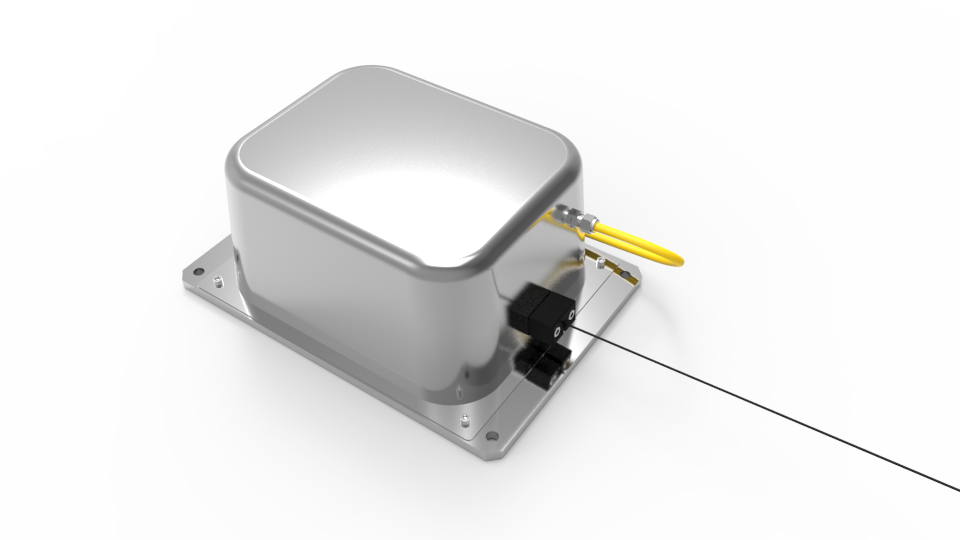
Tiltmeters 

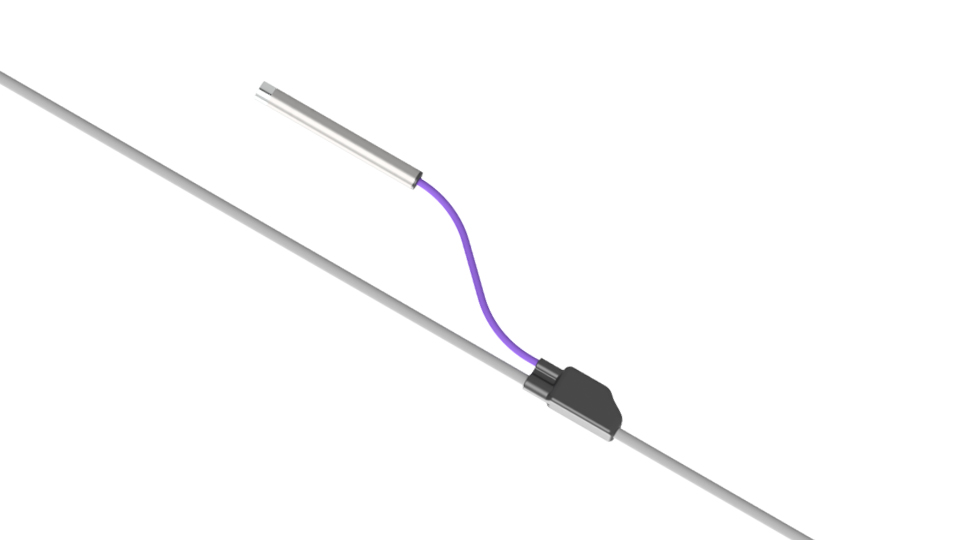
Mounted directly on the wall face, tiltmeters detect rotation and tilt to high resolution, giving an early indication that a wall is beginning to move or overturn. 

Anchor load cells 

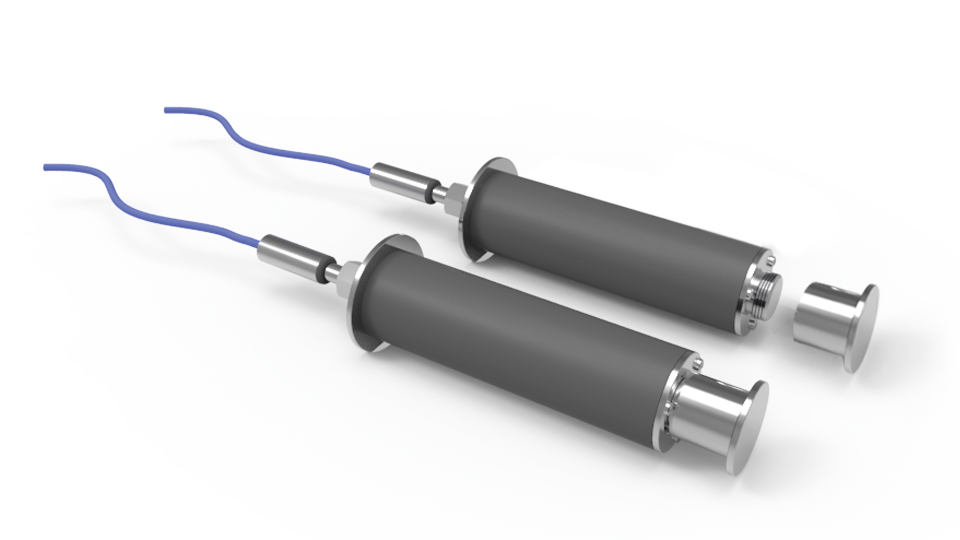
Fitted to tie-back anchors and rock bolts, load cells confirm that anchors are holding their design load and reveal load loss or overload that could compromise wall stability. 

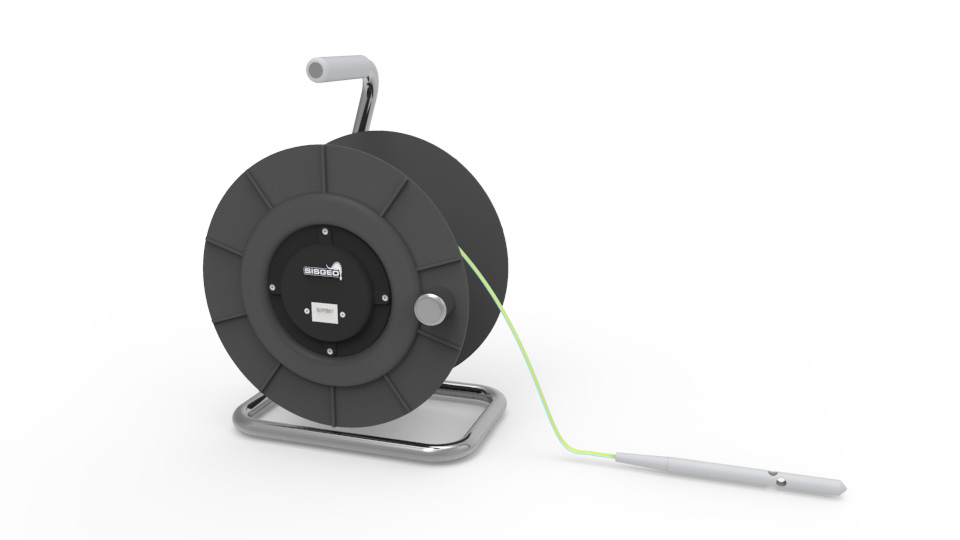
Piezometers 

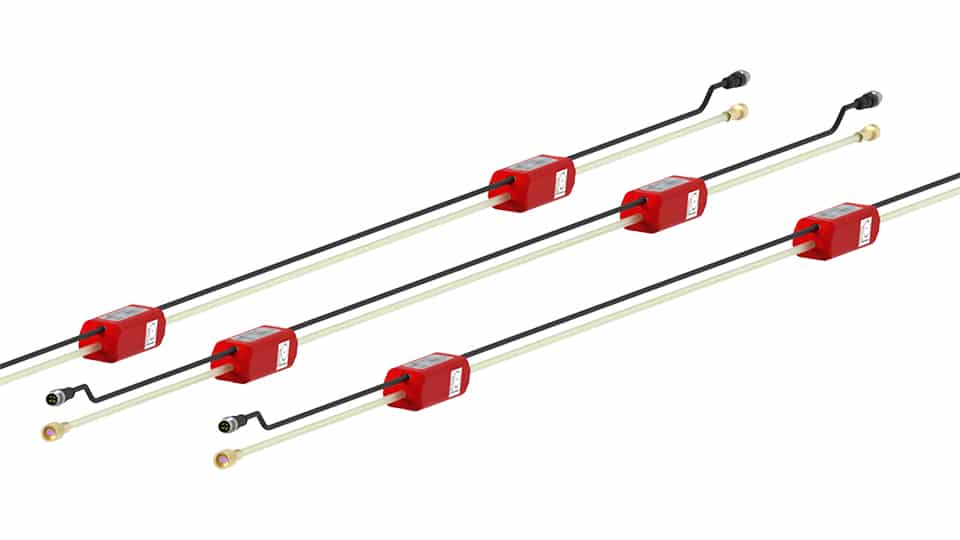
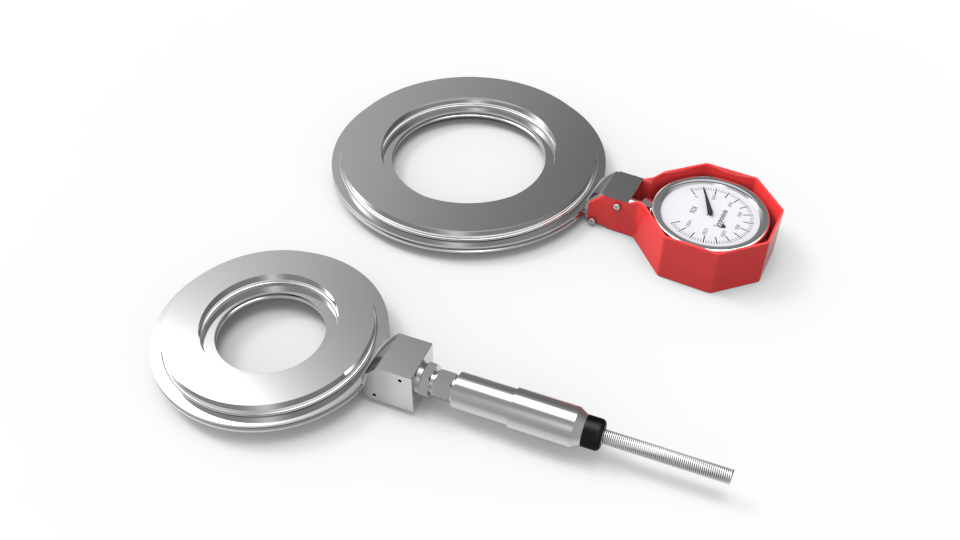
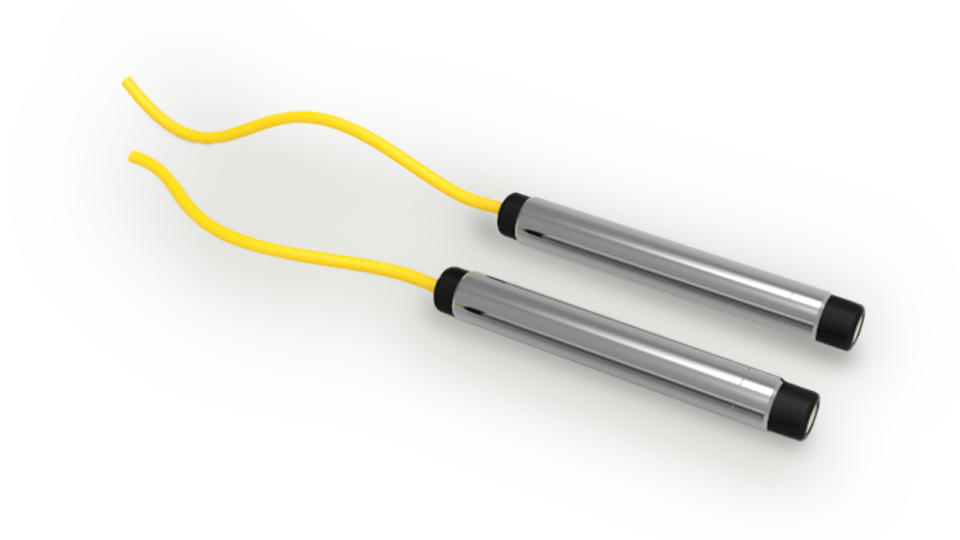
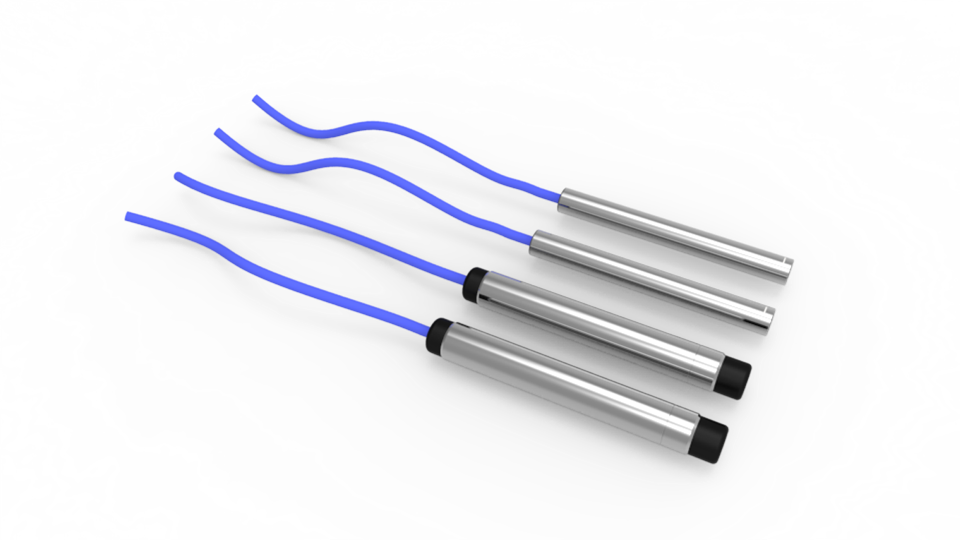
Vibrating wire and electric piezometers measure pore water pressure behind the wall, a key driver of instability, and verify that drainage is performing as intended. 

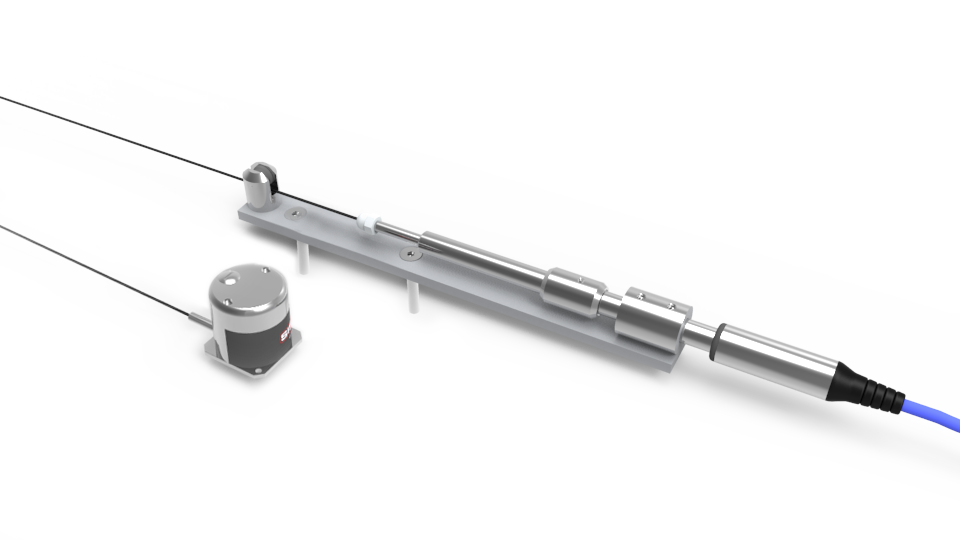
Crackmeters and jointmeters 

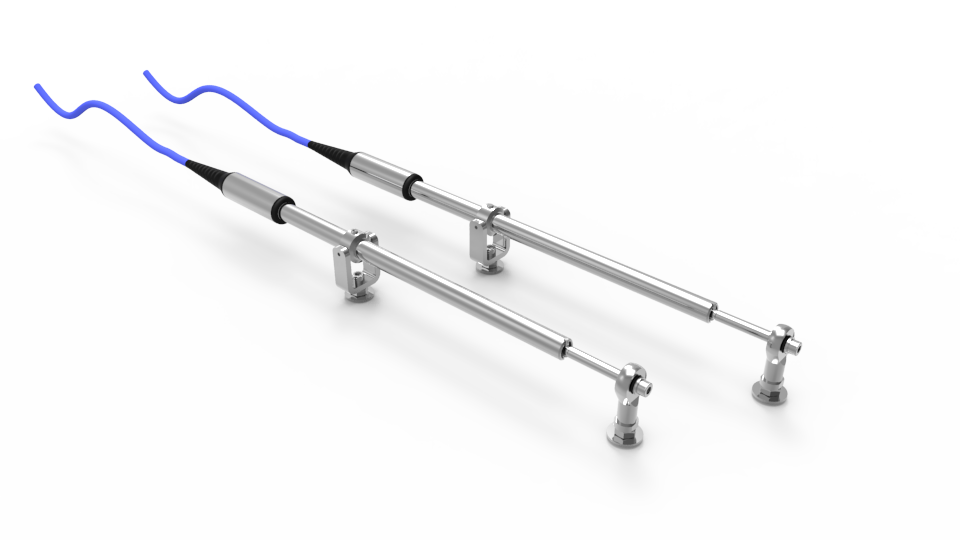
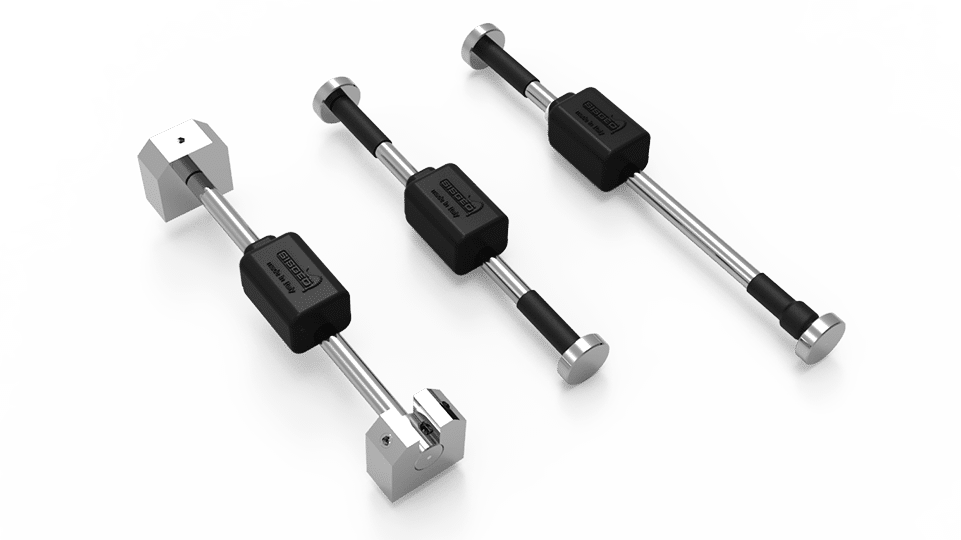
These track the opening, closing and movement of cracks and joints in the wall structure, quantifying deterioration over time. 

Settlement gauges 

Settlement systems measure vertical movement at a retaining wall base and in the ground behind it, identifying differential settlement before it damages the structure. 


Sisgeo retaining wall monitoring applications

Sisgeo instrumentation supports engineers across the full range of retaining structures and monitoring needs, from short-term construction control to permanent, automated surveillance of critical retaining walls. 

Wall movement and tilt monitoring 

Sisgeo IPI inclinometers and tiltmeters measure how a wall deflects, rotates and translates over time. This shows whether movement is stable, seasonal or accelerating, and whether intervention is required. 

Anchor and tie-back load monitoring 

Sisgeo anchor load cells measure the tension held in tie-backs and rock bolts throughout the wall’s life. Engineers can confirm anchors are performing to design and catch load loss or redistribution early. 

Ground movement behind the wall 

Sisgeo inclinometers and  measure subsurface movement in the retained ground, helping engineers distinguish wall problems from wider slope instability. They measure subsurface movement in the retained ground, helping engineers distinguish wall problems from wider slope instability. 

Groundwater and pore pressure monitoring 

Sisgeo piezometers measure water pressure behind the wall, one of the most common causes of retaining wall failure. Rising pressure or failing drainage is identified before it undermines stability. 

Cracking and structural condition monitoring 

Sisgeo crackmeters and jointmeters quantify how cracks and joints in the wall develop over time, supporting condition assessment and repair planning. 

Automated monitoring and early warning 

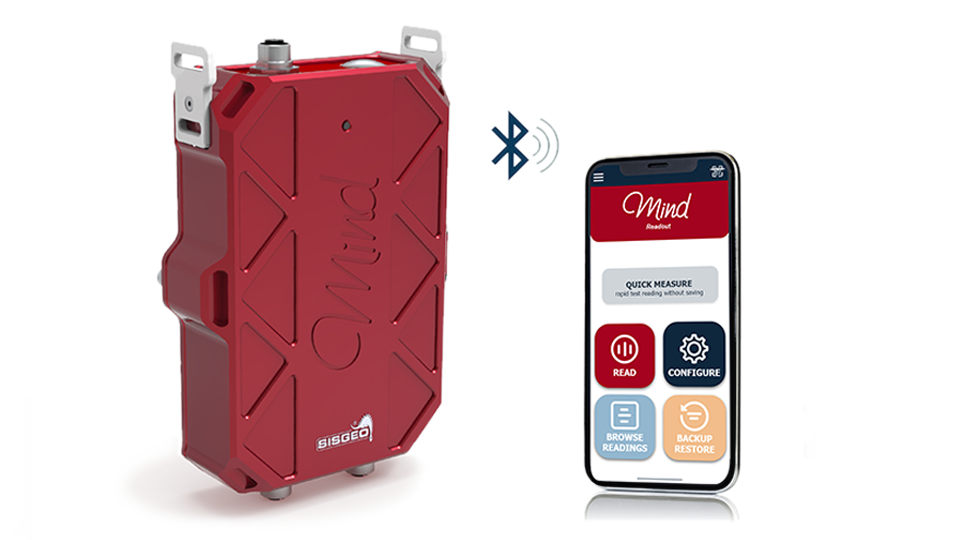
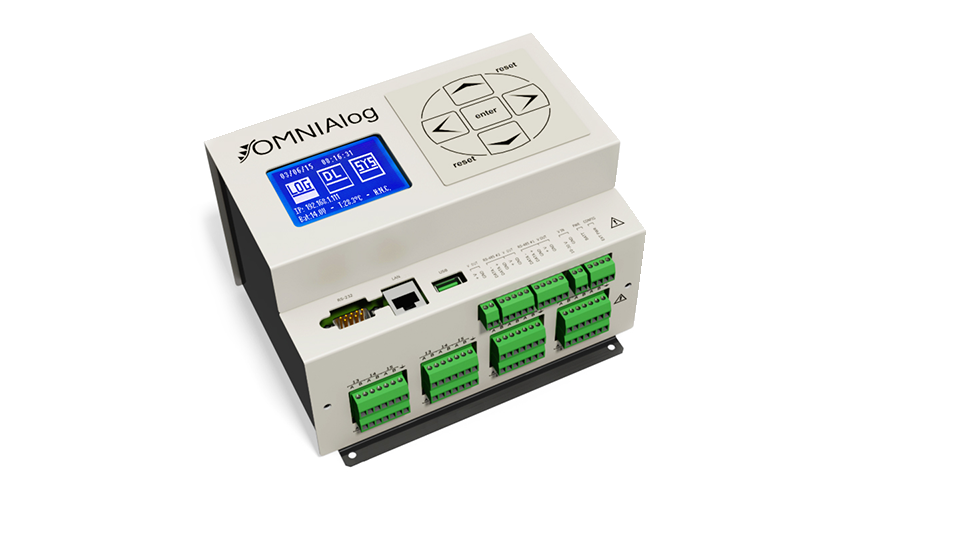
Connected to Sisgeo dataloggers and remote data platforms, these instruments deliver continuous readings, remote access and automatic alerts when movement, load or pressure exceed set thresholds. Teams can respond quickly without constant site attendance.
Retaining wall monitoring solutions for any stage of the project

Whether you are controlling movement during construction or protecting a wall that has stood for decades, Sisgeo provides instrumentation and support across the full monitoring lifecycle.
1. System design & supply Every wall is different. Geometry, retained material, anchor type, groundwater and the assets at risk all shape the monitoring approach.

Sisgeo supplies instrumentation matched to the parameters that actually need measuring, so you collect the right data without over-instrumenting.
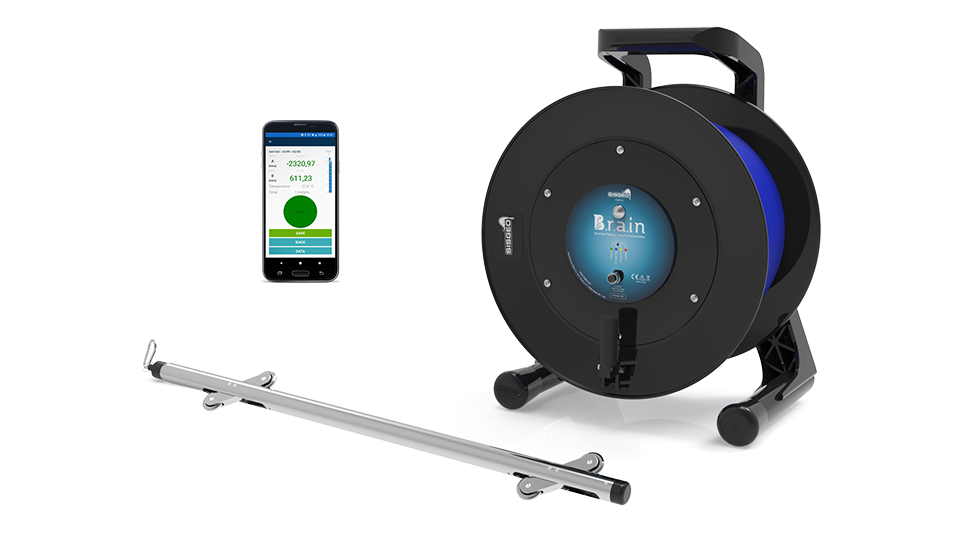
2. Automated data acquisition & real-time monitoring Sisgeo automated systems collect, process and deliver readings continuously, improving visibility of retaining wall behaviour and reducing reliance on manual surveys.

Faster access to reliable data means faster, better-informed decisions.
3. Installation support and system implementation Accurate monitoring depends on correct instrument selection and installation.

Sisgeo provides technical documentation, specifications and installation guidance to ensure instruments perform reliably in the field.
4. A long-term retaining wall monitoring Retaining walls are long-life assets. Sisgeo instrumentation, data collection and technical support help engineers track wall performance for years, turning long-term data into confident maintenance and safety decisions.

Why Choose Sisgeo?

Protecting the infrastructure behind a retaining wall calls for instrumentation you can trust to perform, year after year. Sisgeo provides:

  • More than 30 years of geotechnical and structural monitoring expertise.
  • High-precision instruments engineered for long-life outdoor performance.
  • Flexible combination of manual and automated monitoring.
  • Real-time data collection with configurable early-warning alerts.
  • Instrumentation compliant with international standards (e.g. ISO 18674).
  • Scalable systems designed around each wall and site.
  • Technical support for critical infrastructure projects worldwide.


Sisgeo has extensive experience across retaining structures, slopes and critical infrastructure.

We help engineering teams turn monitoring data into safer, more targeted decisions.

FAQs

What is retaining wall monitoring? 

Retaining wall monitoring is the continuous measurement of a wall’s movement, load and stability, together with the ground and groundwater around it, to confirm the wall is performing safely and to detect early signs of failure.
 

Why is monitoring retaining walls important? 

Walls usually move, overload or lose drainage gradually before they fail. Monitoring reveals these trends in time for engineers to act, protecting the roads, railways and structures the wall supports.
 

What parameters are monitored on a retaining wall? 

Common parameters include: 
  • Wall displacement, tilt and rotation.
  • Anchor and tie-back loads.
  • Subsurface ground movement.
  • Pore water pressure and drainage performance.
  • Crack and joint movement.
  • Settlement.

What instruments are used to monitor retaining walls? 

Depending on the retaining wall and site, monitoring systems may include: 
  • IPI in-place inclinometers.
  • Tiltmeters.
  • Anchor load cells.
  • Piezometers.
  • Crackmeters and jointmeters.
  • Settlement gauges and automated dataloggers.
 

Can retaining wall monitoring be automated? 

Yes. Connected to Sisgeo dataloggers and remote platforms, instruments provide continuous readings, remote access and automatic alerts when thresholds are exceeded. This reduces site visits while improving response times. 

Make an enquiry about Sisgeo retaining wall monitoring solutions 

Planning or managing a retaining wall and need reliable monitoring instrumentation?  Get in touch with Sisgeo’s experts to discuss your structure, your risks and the right monitoring approach for your project.  Get in touch 

Related
projects

Explore Eddyfi Technologies product lines

Automated Vision System Icon Automated Vision Systems
ET/UT Solutions Icon ET & UT Solutions
Nuclear Steam Generator Icon Nuclear Steam Generators
Remote Monitoring Solutions Icon Remote Monitoring Solutions
Robotics Solutions Icon Robotics Solutions

Dam monitoring:

Instrumentation, automation, and data management of CFRD, CC and RCC dams

Date: 08/09/2026
Time: 17:00 GMT+1
Duration: 60 minutes
Speaker: Eng. Carlo Vezzoli
Language: English

Find out more: FREE WEBINAR – Dams monitoring

Sisgeo Piezometers: Comprehensive Solutions for Groundwater Monitoring

What You’ll Learn:

  • Detailed overview of Sisgeo’s range of piezometer technologies including vibrating wire and electric piezometers, outlining their operating principles, installation methods, and suitability for diverse site conditions.
  • Selection of piezometer filters, emphasizing materials and designs that conform to ISO 18674-4 standards.
  • Integration of piezometer data with automated acquisition systems.
  • Best practices for calibration and maintenance standards.

When:Thu, Jul 31, 2025 3:00 PM – 4:00 PM CEST
Language: English

Sisgeo presents the new MD-Profile IPI with 360° calibration
Discover the next generation of In-Place Inclinometers for geotechnical monitoring!

The new MD-Profile 360° features:

  • new removable pressors available for 3 different tube ID
  • new triaxial calibration over the entire 360° range
  • even stronger connectors

When: 27/05/2025 3:00 PM – 3:30 PM GMT+1
Language
: English